

Have you ever walked out of a meeting and thought, “Did I just say the wrong thing?”As leaders, we all want to connect with our teams, clients, and stakeholders in meaningful ways. But in our diverse workplaces today, cultural missteps are easier to make than we think. Sometimes it’s an offhand comment, an assumption about…
The good news? Making a mistake doesn’t mean you’re a bad leader. It means you’re human. And when handled with humility, cultural missteps can actually build stronger trust and respect.
Let’s talk about some common pitfalls in leadership, and more importantly, how to recover from them with grace.
1. Assuming “One-Size-Fits-All” Communication Works
It’s tempting to think that your style of communication—whether direct, informal, or highly structured—works for everyone. But what feels natural in one culture may come across as blunt, evasive, or even disrespectful in another.
How to recover: Ask open questions like, “How do you prefer to receive feedback?” or “Is this the best way for us to communicate?” Showing flexibility communicates respect and builds psychological safety.
2. Overlooking the Power of Names and Identity
Names carry deep cultural meaning. Mispronouncing someone’s name repeatedly or replacing it with a “shortened version” for convenience can send the message that their identity is not worth the effort.
How to recover: Apologize sincerely, practice saying the name correctly, and keep practicing until you get it right. The effort you show will often mean more than perfection.
3. Celebrating Diversity Superficially
It’s great to mark cultural holidays or acknowledge traditions. But when leaders only engage at the surface level—sharing a token “Happy Diwali” email or hosting a one-off event—it can feel like checking a box instead of true inclusion.
How to recover: Move beyond celebration to integration. Ask team members how their cultural values influence their work, decision-making, or collaboration. Inclusion becomes meaningful when it shapes everyday practices, not just annual events.
4. Ignoring Silence or Non-Verbal Cues
In some cultures, silence signals respect, thoughtfulness, or disagreement. If leaders rush to fill the silence or interpret it as disengagement, they risk missing valuable contributions.
How to recover: Instead of pushing for quick responses, create space with prompts like, “Take your time—your perspective is important.” Invite different forms of participation, such as written feedback, to honor varied communication preferences.
5. Believing Good Intentions Are Enough
One of the most common missteps is leaning on the phrase, “I didn’t mean it that way.” While intentions matter, impact matters more. Dismissing the impact of your words or actions can erode trust quickly.
How to recover: Own the mistake. Acknowledge how it may have been received, apologize without defensiveness, and commit to learning. A simple, “I realize that may not have landed well—thank you for pointing it out. I’ll do better,” goes a long way.
Turning Missteps into Growth Moments
Here’s the truth: every leader will make cultural mistakes at some point. What separates inclusive leaders from the rest is not perfection, but responsiveness.
- Recognize the mistake quickly.
- Listen without defensiveness.
- Apologize sincerely.
- Learn and adapt your behavior moving forward.
When leaders recover with humility, they model courage, openness, and growth. That vulnerability invites others to do the same, creating a culture where people feel safe to speak up and belong.
Final Thoughts
Cultural missteps don’t have to end in embarrassment or fractured relationships. They can be turning points. By owning our mistakes and choosing to learn from them, we not only repair trust—we build deeper, more authentic connections.
So the next time you stumble, don’t beat yourself up. Pause, apologize, and rise stronger. Because leadership isn’t about never falling; it’s about showing your team how to get back up with grace.
Step Inside RISE™
Career transitions rarely fail for lack of effort. They stall when one thing is missing. Inside RISE is built on the C.A.R.E. Framework™ — the four domains that decide whether your transition succeeds by design, or stalls by default:
Clarity — name exactly who you're becoming, so the search stops feeling scattered.
Architecture — the habits, learning, and routines that hold the change up.
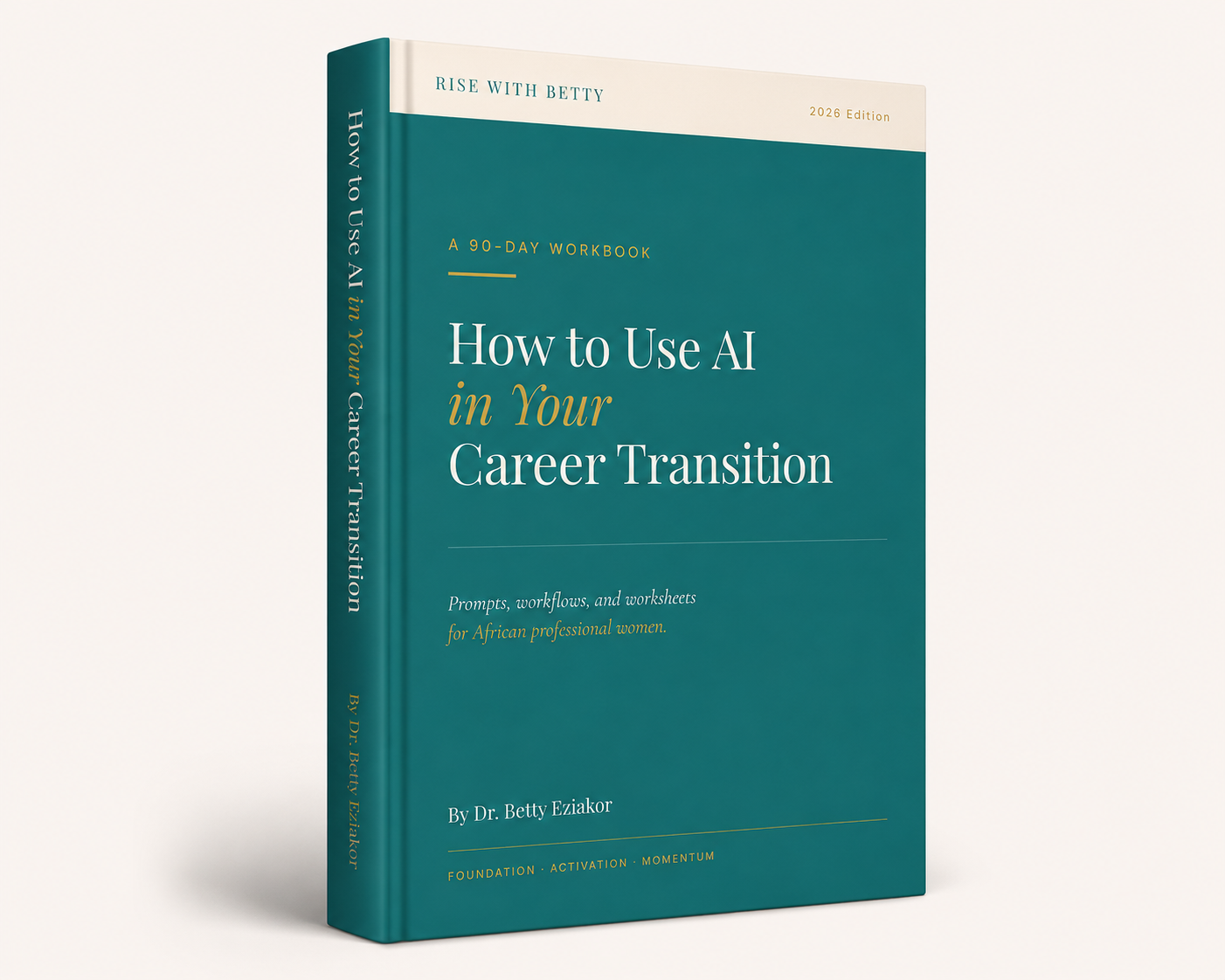
How To Use AI in Your Career Transition
AI can write your emails. It can build your slides in seconds. But can it move your career forward? In the right hands — yes. That's exactly what The RISE AI Transition Workbook is built to do. It's a 90-day, fillable toolkit and prompt library that turns AI into your personal transition strategist, walking you, step by step, from foundation to momentum.
Get Your Copy →Resources — the energy, wellbeing, and relationships to sustain the climb.
Execution — turn the plan into visible, weekly progress instead of good intentions.
Your diagnostics, the RISE Report, the C.A.R.E. Assessment, and the 90-Day Transition Runway — all in one place. Free, and yours to keep.
Where is your career transition stalling?
Are you struggling to map your next career move, or are you having trouble identifying the right executive advocates to back your transition?
Click here to email me directly and share your context; I read and respond to every message personally.